What are these protests, and why?
You may read news about the new wave of protests in Iran. So what is it about?
- The latest round of protests against the Islamic Republic of Iran (IRI) government, starting from a week ago, were triggered by the fast downfall and extreme volatility of the local currency, Iranian Rial (IRR).
- However, there have been quite of a few of such waves of unrest in the past couple of years, triggered by different things, for example the Woman, Life, Freedom movement that started by the death of a young woman in the custody of the “morality police”. Notably, the time between these events has only been getting shorter recently.
- Many people in Iran are unhappy about, among other things, the severe conditions of living, corruption in the government, a political process that excludes normal people, and the lack of free speech and freedom of association.
Iran is a special country (it has no DMCA!)
With a population of 92 million and area almost 5 times that of Germany, Iran is among few countries in the world that has not been conquered by the United States of America.
- Iran hosts no USA military installations on its soil, or of any other foreign country, for that matter
- Iran has a relatively independent and self-sufficient defense industry
- Iran produces much of its own medicine
- Somehow like China but in a smaller scale, Iran has its own domestic IT-world. Since half of the Internet is censored by IRI and the other half sanctioned by the US, Iranians have developed domestic services for maps, video streaming, cloud services, finance, ride hailing, etc. At some point in 2021 ArvanCloud, an Iranian IT company, was the 8th highest-traffic CDN in the world.
- Iran has no direct diplomatic and economic ties with the USA, which means it is not bound by the requirements USA forces on their trade partners. As a result, Iran is the biggest economy that is not a signatory to the Bern convention on copyright and has not ratified an anti-circumvention law like USA’s DMCA or EU’s Directive 2001. If only there were no overarching censorship and sanctions, Iranians could enjoy a disenshittified Internet from the get-go. They do at least, enjoy a “legal” domestic iOS app store since many years.
- Iran is among the top 5 countries globally by the number of STEM graduates, with a non-existent (and in some cases slightly reversed) gender gap.
All of it is to say that Iran is a big and powerful country with a lucrative market and a high growth potential.
What are the current opposition groups?
Although Iran is currently ruled by a theocratic authoritarian regime, as a nation it is not foreign to the concepts of pluralism, rule of law, and a functional society. Archaeologists have found administrative clay tablets from 500BC in Persepolis that showed an advanced, multi-lingual central bureaucracy that provided a welfare regime to citizens that included wage guarantees and maternity benefits!
Fast forward 2500 years, the first successful democratic uprising in the modern age Iran happened in 1905, which led to the Persian Constitution of 1906. Even after the joint CIA/MI6 coup d’état that overthrown in 1953 the democratically elected prime minister of Iran, the Iranian struggle for democracy did not stop. Much like anywhere else in the world, there are countless political figures and groups with all kinds of leanings. However, since all forms of organized political activity is strongly suppressed by the IRI (both local and abroad, more on that later), it has been very difficult in the last 47 years for any opposition movement to flourish and gain organic and widespread adoption.
The most prominent groups, in no particular order are
- Iran National Council (INC) (website), est. 2013, Reza Pahlavi, Big tent
- † Union of Iranian Republicans (UIR) (website), est. 2004, Hassan Shariatmadari, Left-wing to Center-left
- Labour Party of Iran (Toufan) (website), est. 1967, unknown to me, Marxism-Leninism
- † Union for Secular Republic and Human Rights in Iran (USRHR) (fa-wiki, website), est. 2010, A. Afshari, et. al., center-liberal
- † Iran National Front US (fawiki, web site), est. 2007, Hossein Mousavian, Mosaddeghism
- † Iran National Front Europe (website, website?), est. ?, D. Hermidas-Bavand, et. al., Mosaddeghism
- † Iranian Left Party (fawiki, website), est. 2018, T. Hemmati, B. Khaligh, et. al., center-left
- Iran Liberal (website), est. 2004, Hassan Behgar, Mosaddeghism
- * People’s Mojahedin Organization of Iran (MEK) (website), est. 1965, Maryam Rajavi, left
There maybe many more parties that seem to be dormant, or I simply do not know about. Corrections to this list are welcome.
Five of the above parties that are denoted by † are members of Hamgami, an alliance for a Secular Democratic Republic in Iran.
* This is a group that used to assassinate many IRI politicians and fought militarily against the country. Nevertheless John Bolton talks in their events. They are mostly not loved by people of Iran, to put it mildly.
Reza Pahlavi
The movement headed by Reza Pahlavi (the eldest son of the last Iranian monarch who was ousted in the Iranian revolution of 1979) is by far NOT the only organized political movement against IRI. However, they seem to be the most vocal and organized. Possibly thanks to their financial backings (which is unknown to me) they have prepared extensive plans for the transition period after the fall of IRI.
In 2019, Reza Pahlavi launched the Phoenix Project of Iran, a non-political initiative to “bring together serious subject-matter experts, scholars and scientists […] to forge innovative solutions to Iran’s challenges.” Since then, they have organized 3 workshops and a couple of talks and networking events.
Their political agenda is, as far as I can tell from reading their statements, very close to the hawkish side of the US political establishment. Reza Pahlavi, for example, not only did not condemn 2025 Israeli attacks on Iran, but called it “an opportunity”, which drew strong criticism from other opposition groups. One of his main advisors who led the creation of his transition program, is a Senior Advisor in the Foundation for Defense of Democracies, the main lobby of Israel in the USA. On the economic side, he is a strong proponent of opening the Iranian market for US tech giants like Google, Uber, etc.
Not directly related to Reza Pahlavi himself, but another thing that I frequently hear from many fellow Iranians is that his supporters are extremely aggressive in social media and elsewhere. Insults and name-callings can be heard frequently when his supporters discuss political matters with other “non-loyalists”. The phrase “If you don’t support him, you are with the Mullah thugs” is something that I have personally heard being spoken from an educated supporter to a non-loyalist.
Why are the other parties so quiet in comparison?
Most other opposition groups mentioned before give occasional interviews to (mostly Persian-language) TV channels like BBC Persian and Iran International and over YouTube. They publish opinion pieces in news websites like Radio Zamaneh etc. and regularly update their own websites in reaction to current affairs in Iran. Every few years, they may organize summits, often together with other aligned parties to make some press releases and to conduct their internal elections. Apart from the (often boring) legalese and fundamental values of their parties, none of them have published a comprehensive set of documents that can explain their plans for a post-IRI Iran. Even if they already have published such plans, it did not get the tiniest fraction of the media attention that Reza Pahlavi’s documents got.
But why are these other parties not as active? Short answer: I don’t know. But I can guess.
In Iran, not only political activism, but all forms of free association is strongly suppressed by IRI. You need to form a bird-watching group with a social media presence and active membership, and you can expect to be followed by intelligence forces and to be barred from your group activities. If you insist on doing what you do, you may get espionage charges and get into serious trouble. I am absolutely not exaggerating. The only associations that are allowed to exist are those that surrender to IRI complete steering control.
As a result, almost all opposition groups are formed in exile. That is enough reason for them to become disconnected from the day-to-day lives of ordinary people in Iran. As a party, this of course limits not only your information from the ground reality, but also severely impacts your reach.
Even in exile, IRI has succeeded applying smearing campaigns against opposition groups by means of fake online accounts and even by recruiting real people abroad to interrupt such movements from within (not to mention to assassinate them).
In this landscape, the campaign of Reza Pahlavi is a stark exception. Why is it so? Again, I don’t know for sure. I can only guess that funding makes a big difference. But I don’t know where the money is coming from. Another possible reason for his visibility are two recently established Persian TV channels, Manoto and Iran International, which are commonly believed to be raising his profile.
Who do people in Iran support?
I’m glad you asked.
The IRI is the complete opposite of transparency. It is common that basic information such as inflation, economic growth, unemployment, birth, and death rates are withheld from the public for extended periods of time. Any non-governmental attempt to conduct a public survey on people’s political opinion is suppressed as a matter of state security.
There is, however, an independent and non-profit research foundation based in the Netherlands that conducts online surveys which, using various corrective measures, seem to be not far from reality. The most relevant of their surveys for us is the Iranians’ Attitudes toward Political Systems (2022) which shows that 64% of respondents are proponents of regime change or structural transformation and transition from the IRI. It also shows that while only 22% of respondents prefer a kind of monarchy, 40% would vote for Reza Pahlavi in a free election (Respondents could vote for multiple political figures, but he was by far the most popular).
Unfortunately, they have not done any survey on the preferences of Iranians with regard to different political parties. But even if they do, given the very low visibility of other opposition groups, I do not think people associate themselves with any political opposition movement other that Reza Pahlavi’s, even if people’s political alignment is quite close to any of those parties.
Thanks for taking the time to read this. Although I tried my best to only present unbiased information, you should know that the information presented here is by no means authoritative. I am just a curious guy, trying to understand the world. I’d like to thank two of my dear friends, Sahar and Maryam, who agreed to read a draft of this manuscript on short notice and give me their comments. Any remaining inaccuracies, oversights, or biases are my responsibility.

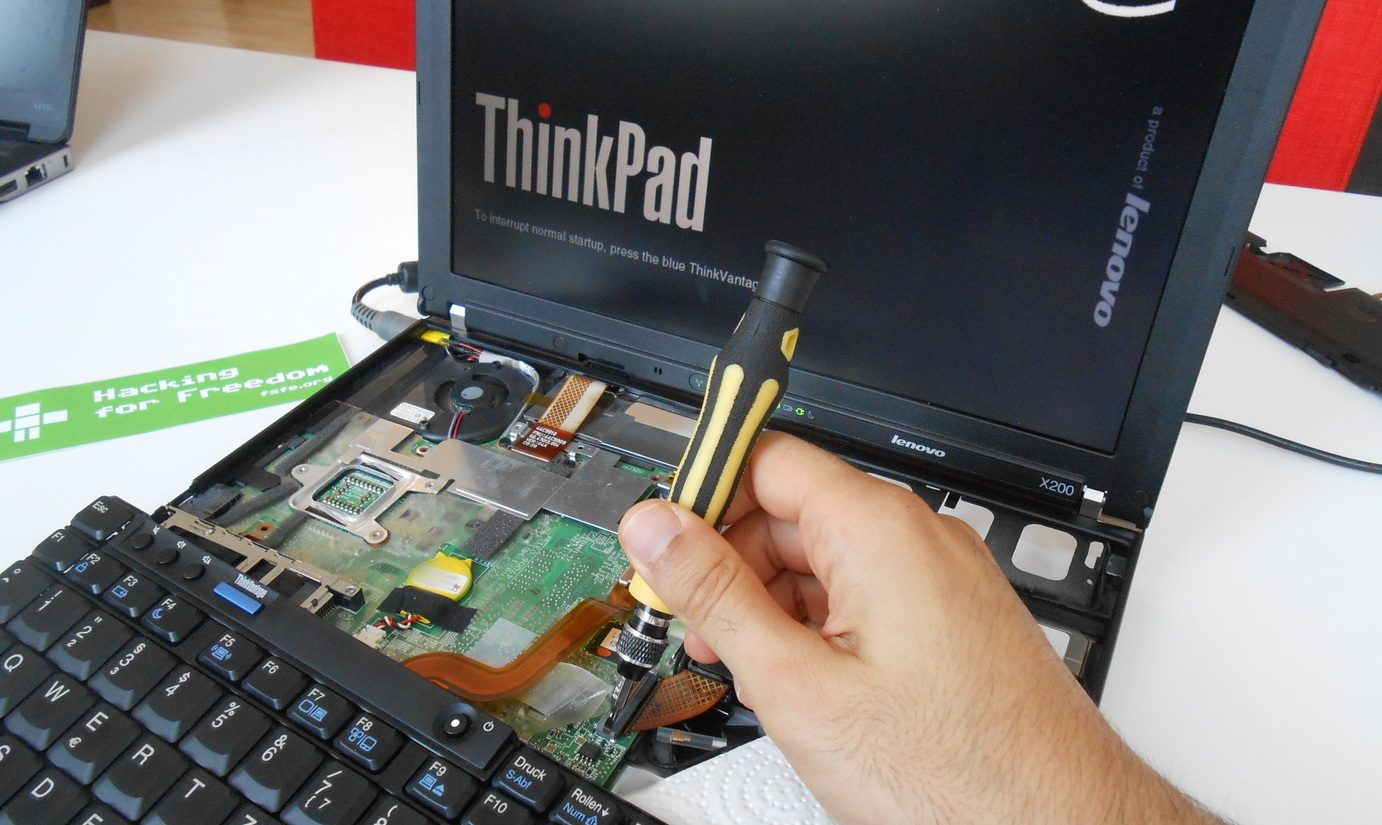
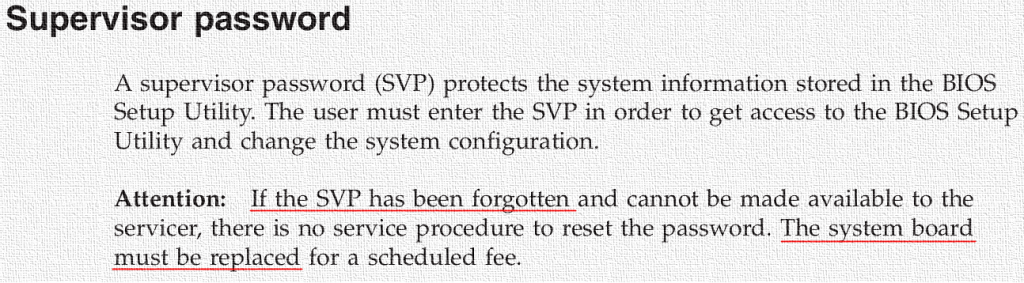 So, is there really no way to remove the supervisor password from this laptop’s BIOS? Well it turns out there is! Thanks to the always amazing tinkerer community on the Internet, I found about
 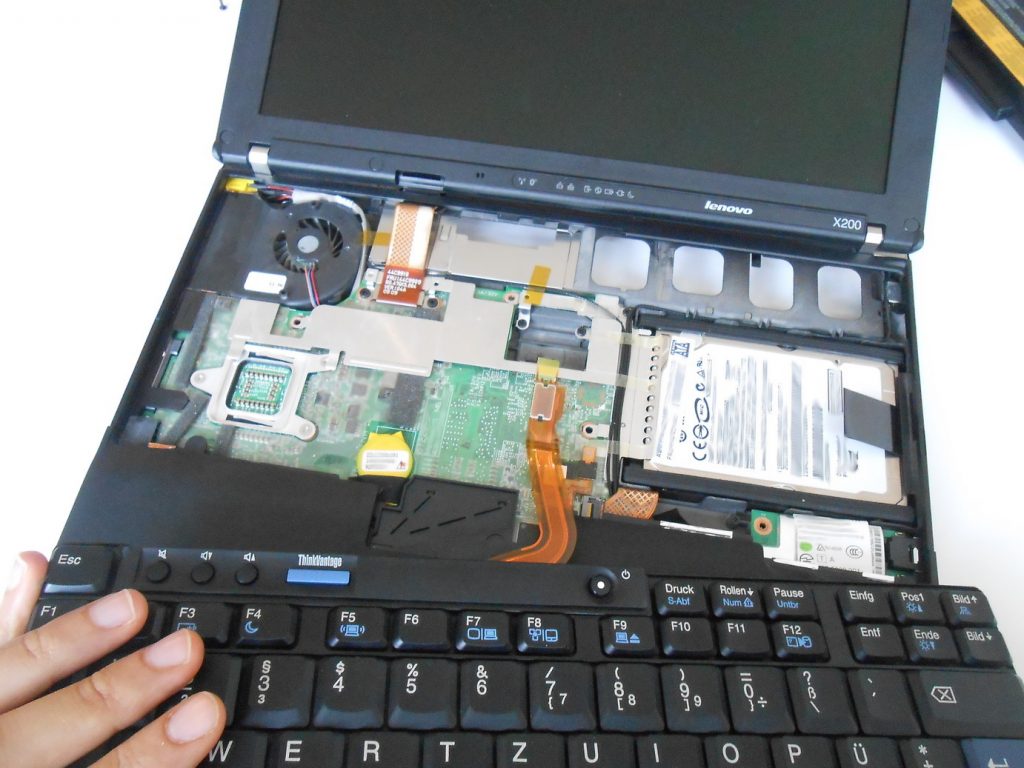 Then the palm rest…
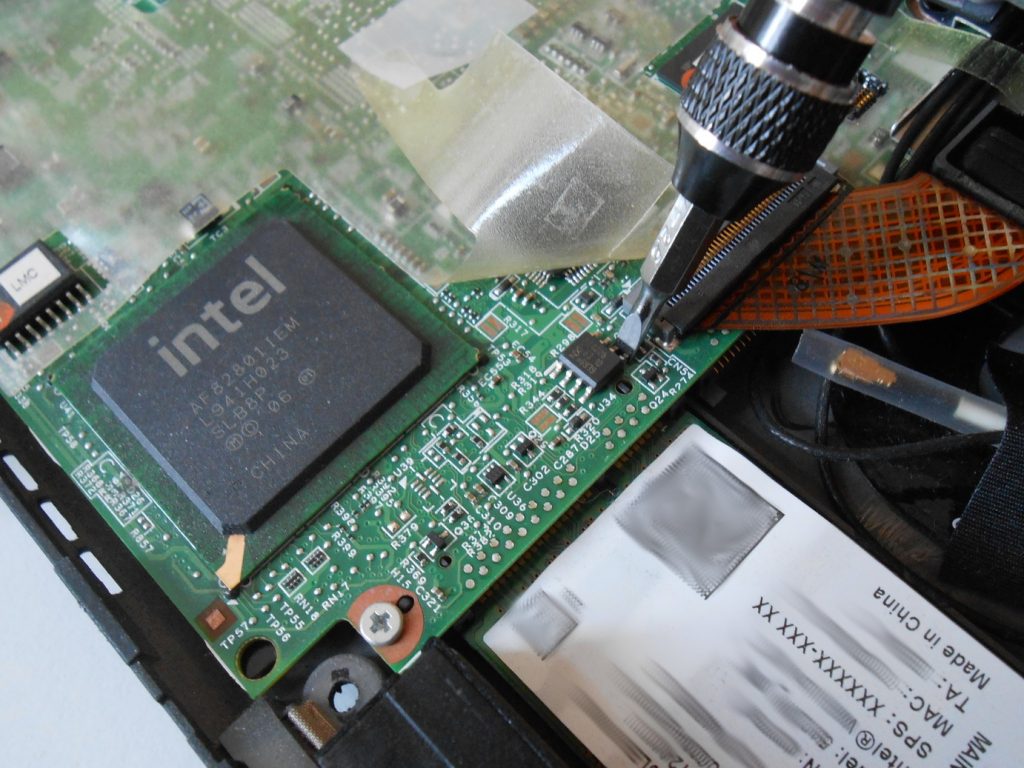
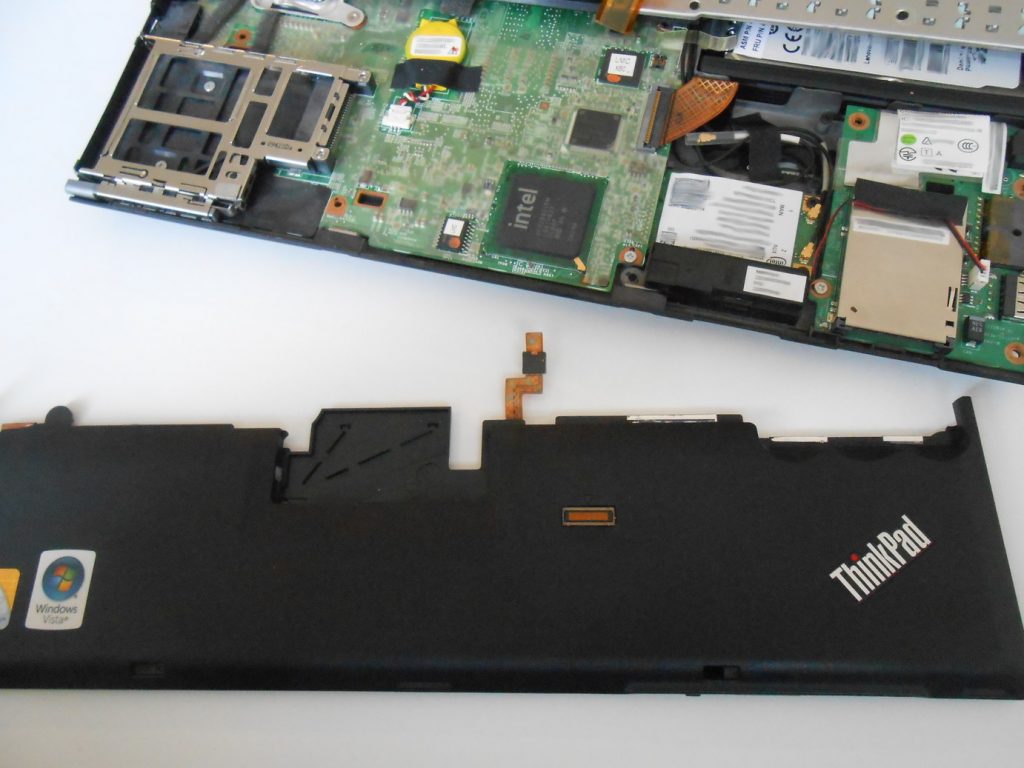 And finally, this is the EEPROM chip.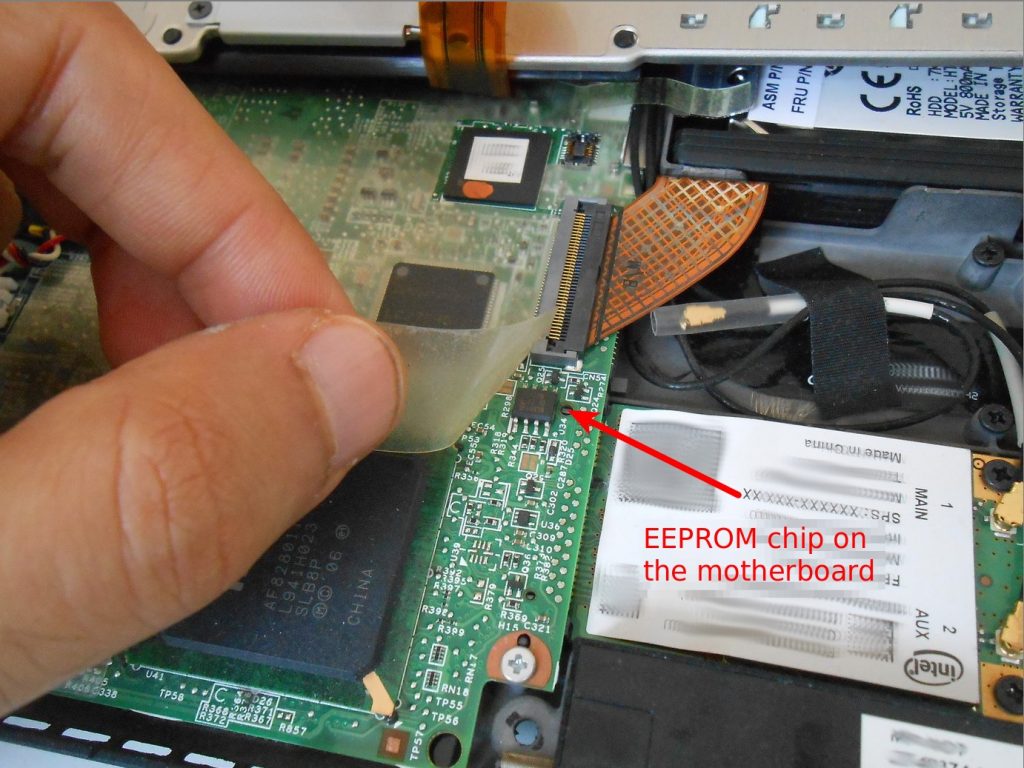



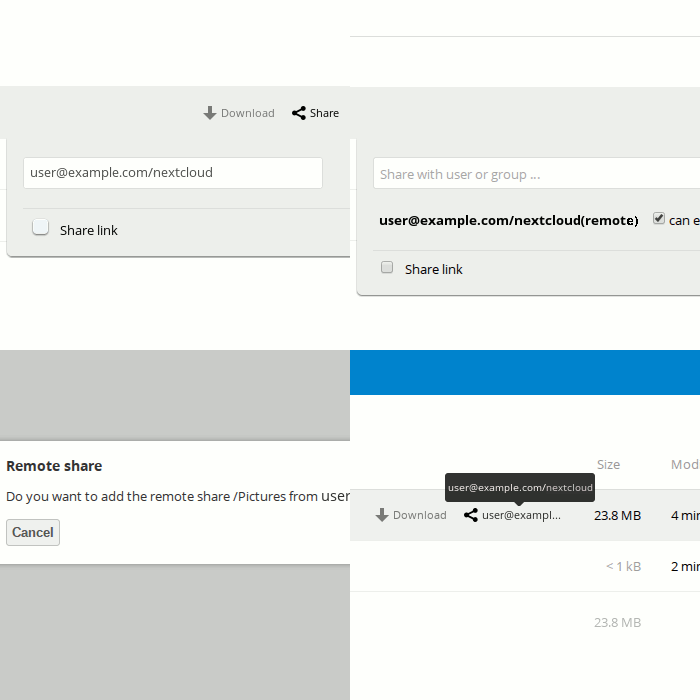 Drive, you can only share your files with people who are on the same service. And if you need to share your Dropbox file to a Google Drive user, you usually have to make a public link and send it around. However, anyone with the link can access the file, which is a security risk.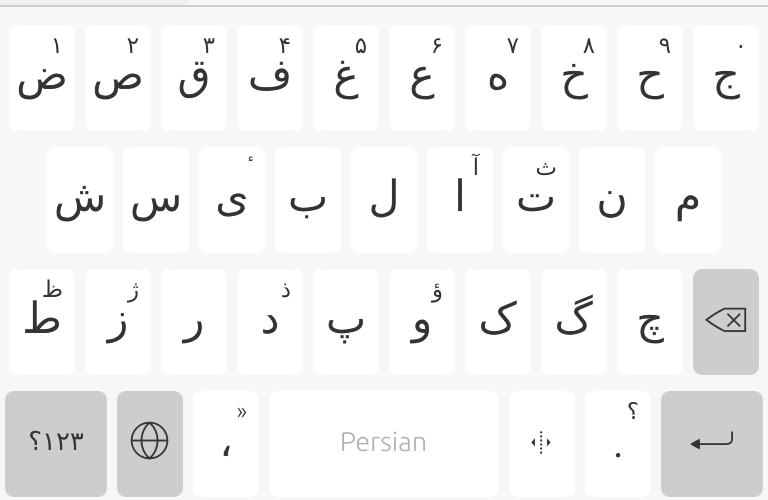
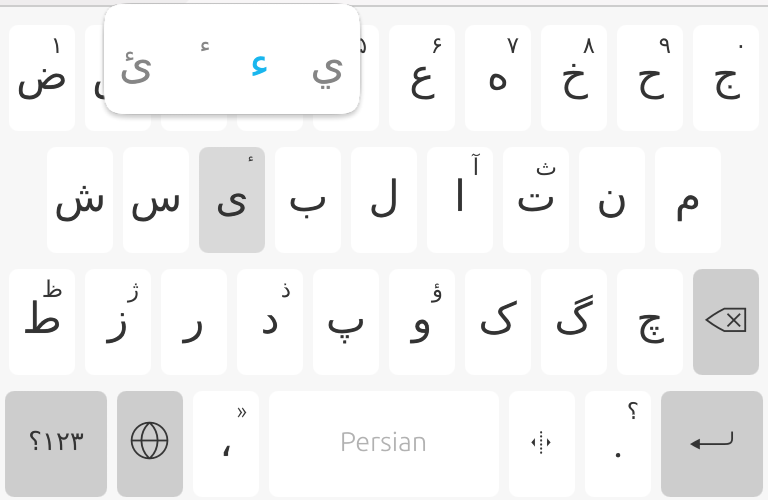
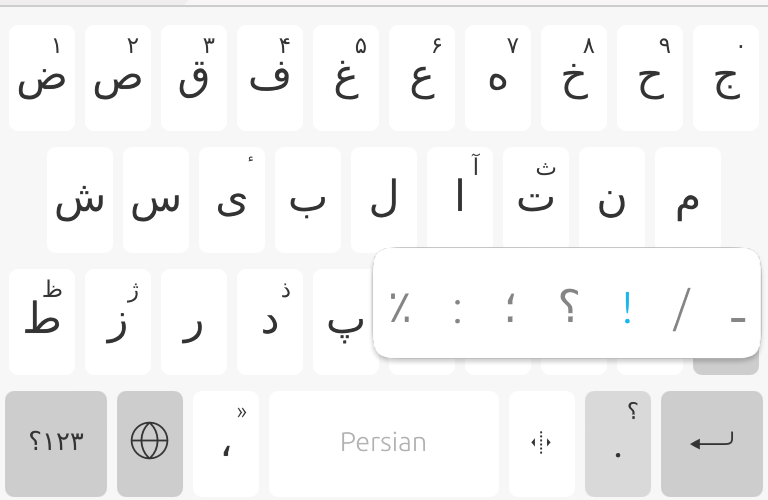
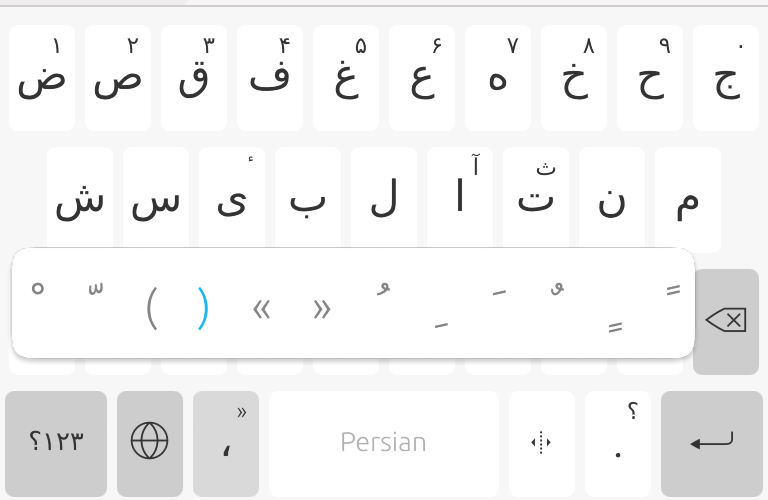
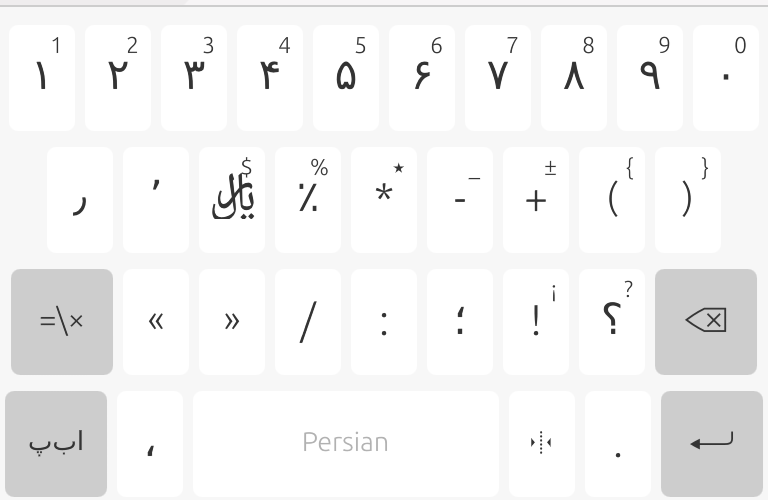
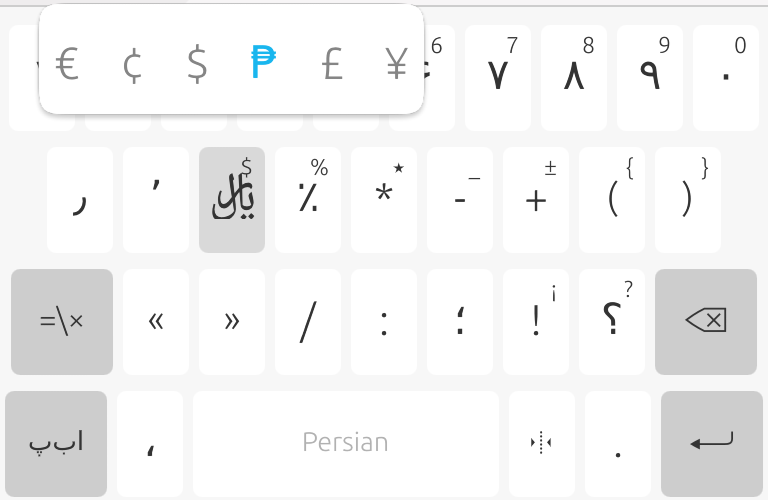
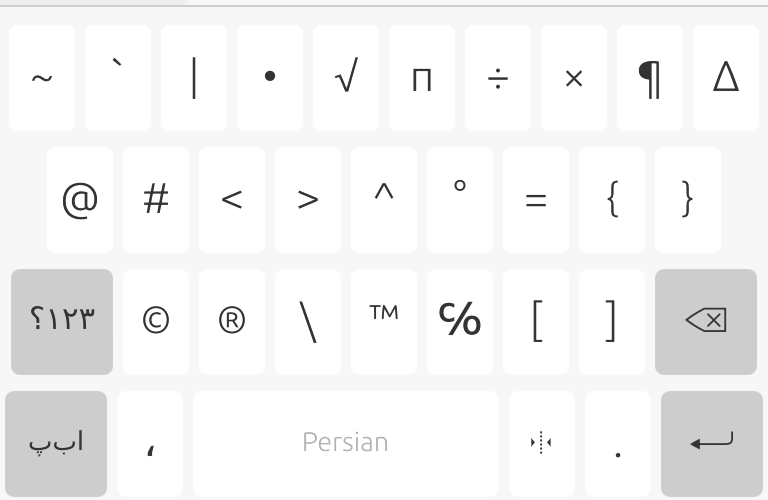
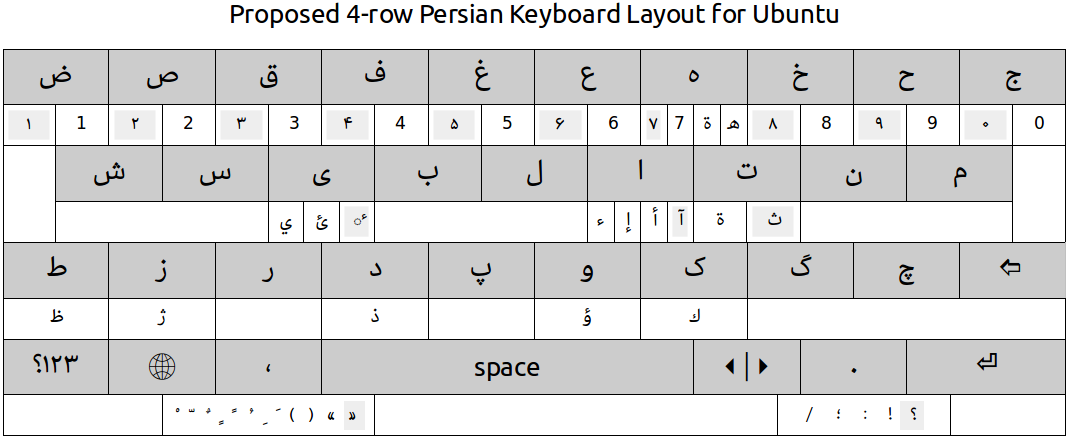
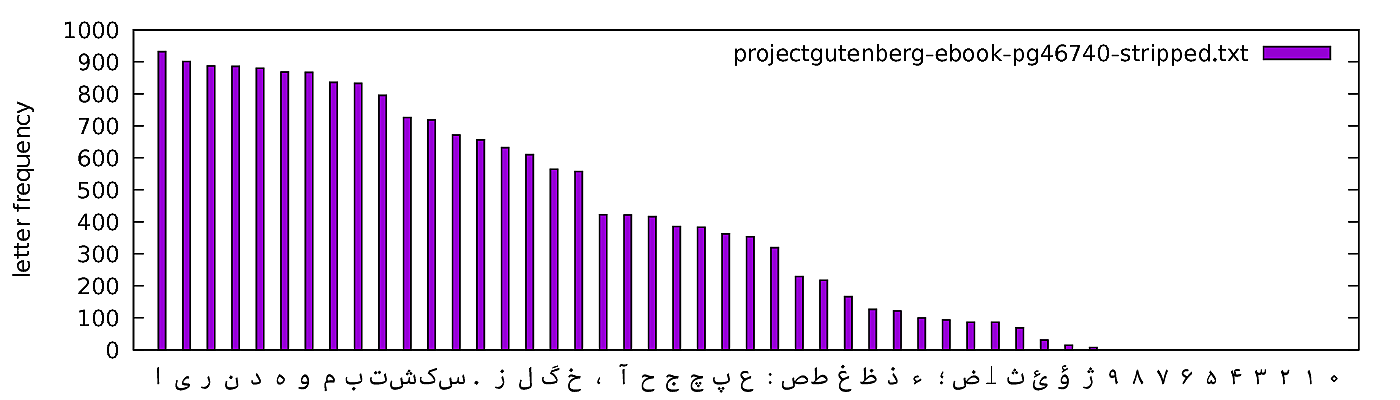
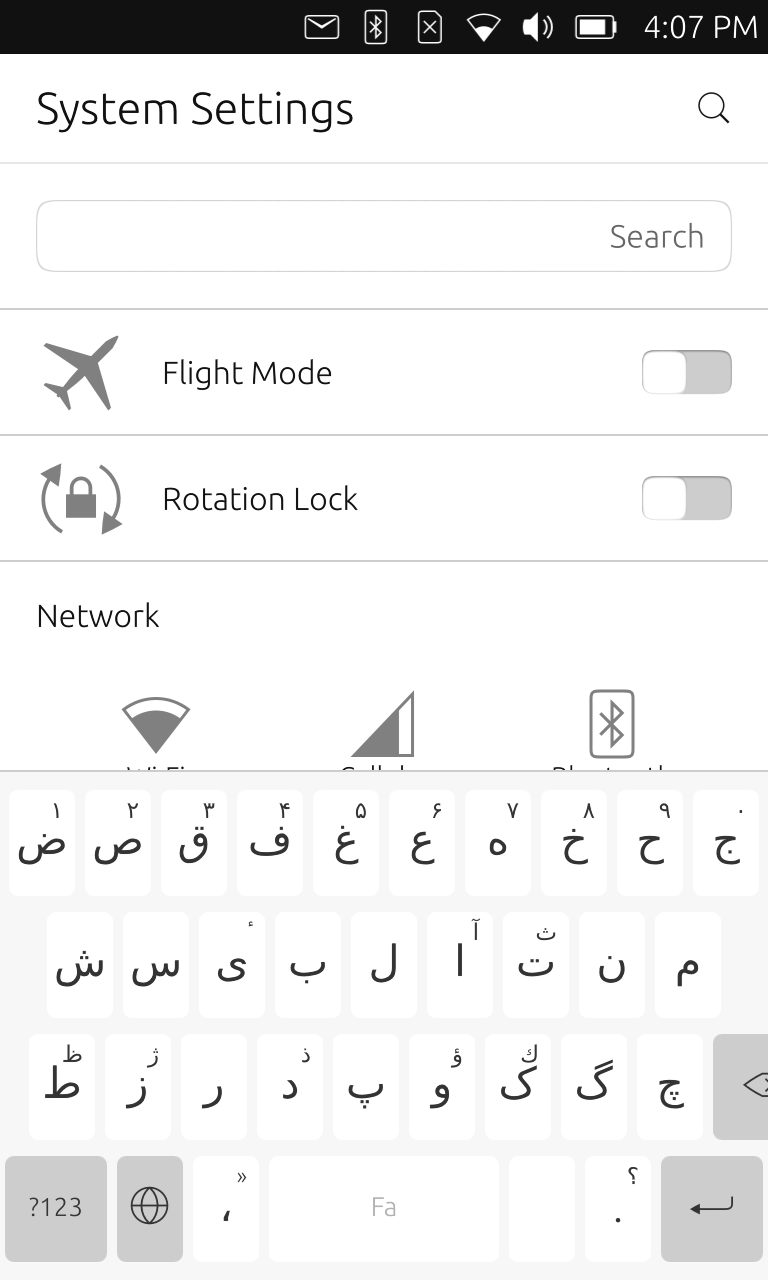
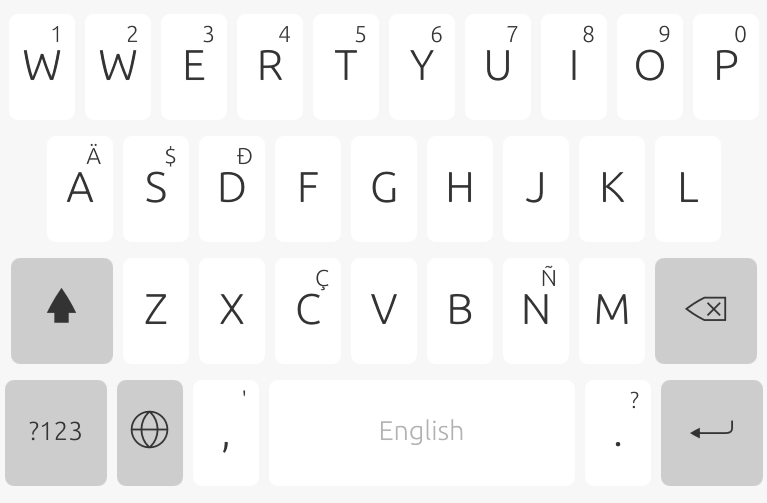 Or, how to mess with a perfectly working keyboard. Where is the Q, by the way? ?